


.png)
Planning Outdoor Spaces with Permeable Paving Melbourne for Function and Style

Ever thought about turning your outdoor area into something really eye catching, but still pretty good for the environment? Maybe you’re also done with the puddles showing up on your driveway, every single time Melbourne decides to do that sudden rain then stop thing. What if there was a paving option that looks great, while doing a favour for the planet… quietly and all?
You’re not the only one asking this. More and more Melbourne home owners are leaning towards permeable paving for driveways, patios, and those outdoor get together zones. The whole idea is that this type of paving lets water move through its surface, which can reduce runoff and help stormwater sort itself out more naturally. So yeah, you end up with a nicer outdoor setup, but it’s not ignoring the bigger ecological picture either.
What even is Permeable Paving, and how does it work?
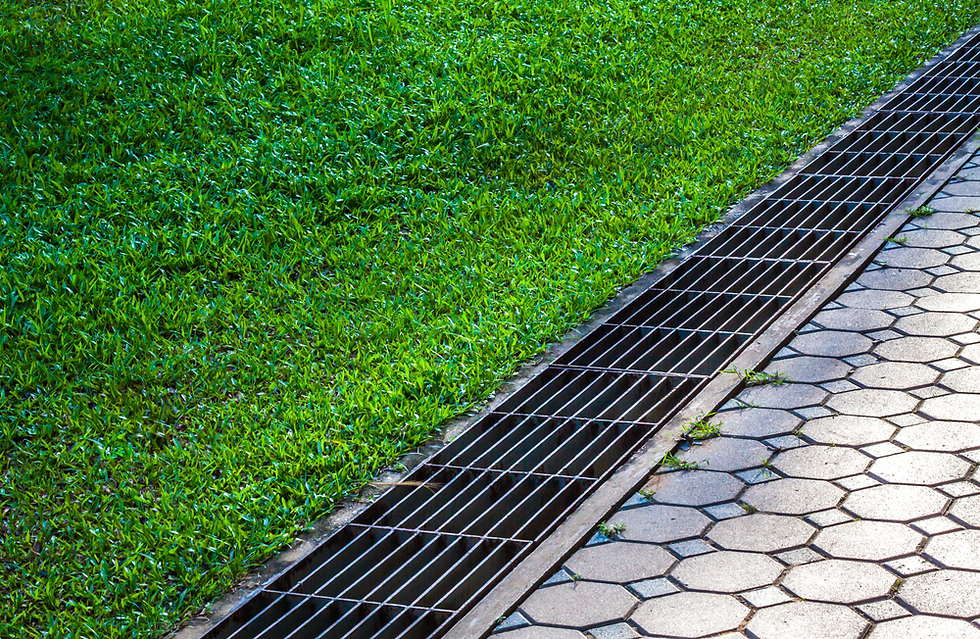
The science behind permeable surfaces, in plain terms
Permeable paving relies on a pretty straightforward concept. Regular concrete or asphalt basically acts like a sealed wall, stopping rain from going anywhere. Permeable surfaces however let water slide through gaps or pores in the paving material. Then that water goes down into base layers made from aggregate, and from there it eventually reaches the soil, helping recharge groundwater like it was supposed to.
The “how” is really in the build, not just the top layer. A typical permeable paving system usually includes the visible paving layer up top, bedding sand beneath it, and then bigger aggregate layers below that store and filter water. You can think of it as a giant sponge sitting under your driveway or patio.
And it basically copies natural ground conditions before all the urban stuff happened. Instead of rain running off hard surfaces and heading straight to drains, it soaks in where it belongs.
Types of permeable paving materials you can get in Melbourne
Melbourne residents have quite a few ways to go. Permeable pavers often come as interlocking concrete blocks, with intended spaces between them that get filled with gravel, or sometimes grass. Porous concrete and porous asphalt are different , because the tiny air pockets are built into the material itself.
Then there are grass pavers, which are meant to look greener , often using plastic or concrete grids so that turf can grow through. Gravel systems with stabilising grids can feel more rustic too, while still stopping the stones from migrating around. Each option tends to bring its own mix of style, long term durability, and infiltration performance.
Why permeable paving matters for Melbourne homes
Handling Melbourne’s unpredictable rainfall
If you’ve been here long enough, you already know the weather can flip fast. Big heavy bursts come, then calm dry periods follow, and traditional paving can struggle. Water collects, pools form, and that can lead to flooding, surface erosion , and other messy problems.
Permeable paving deals with those extremes much better. When intense rain hits, the water drains down quickly rather than staying on top. That means fewer puddles and less of that “why is my driveway underwater again” feeling on rainy mornings.
Staying aligned with local council stormwater rules
A lot of Melbourne councils want properties to manage stormwater on-site. In new builds especially, you might need to show how runoff will be reduced and how nearby waterways will stay protected. Permeable paving can help meet those expectations, and it can add noticeable value to the property at the same time.
Some councils also run incentives for water sensitive urban design , so it’s smart to ask about possible rebates or reduced permit fees before you commit.
Key benefits of permeable paving for outdoor spaces
Better drainage, less flood risk
The most obvious plus is drainage. Water can disappear through the surface in no time, which lowers the odds of localised flooding during those heavy storms.
Even your plants can benefit. When water infiltrates through permeable paving, it reaches plant roots more steadily, instead of racing away to drains and leaving garden beds to dry out.
Eco friendly impact and groundwater recharge
Conventional paving stops about 85% of rainfall from returning to the ground. With permeable alternatives, that balance shifts, because a much larger portion of rainwater can filter down through the system.
That can support aquifers and help local ecosystems stay healthier over time. Plus, as the water filters, the aggregate layers catch pollutants too. Things like oils, heavy metals, and general grime don’t just wash straight into creeks and rivers. They get trapped along the way, which is a pretty big deal.
Is permeable paving… like, suitable for driveways?

Load-bearing capacity and durability, sure, but only if it’s done right.
In short yes, permeable paving absolutely handles driveway tasks. Most of the newer products are built to take vehicle weights without weird cracking or shifting. What really matters is the proper installation, plus that important base prep that everybody sort of skims over in conversation.
High-quality permeable pavers can stand up to daily car traffic for years, and in some cases decades. The stronger, commercial-grade choices are even meant for delivery trucks and other heavier vehicles. Just make sure your contractor actually names products rated for the use you’re planning, not something “close enough”, you know.
Does permeable paving need more maintenance?
Simple, low-drama maintenance tips
Honestly, it usually needs less effort than people assume. A regular sweep helps stop debris from clogging the surface openings. Sometimes a leaf blower, or an occasional quick blast, clears up built-up organic material before it becomes a problem.
An annual check is smart. Look for spots where water infiltration seems slower. In most cases, issues are handled with cleaning, not expensive replacements.
Common issues, and how to reduce them
Sediment build-up is probably the biggest recurring challenge. Try not to let soil or mulch runoff get onto the surface. Keeping garden beds properly edged also helps stop soil migration onto the permeable area.
Weeds can show up in joints. That can be managed with routine maintenance, or with selective herbicides when needed. Some homeowners even prefer the natural, slightly wild look, so it becomes less of a “problem” and more of a style choice.
Ready to take the next step?
Start by checking local suppliers and contractors who specialise in permeable systems. Request multiple quotes, ask lots of questions, and don’t feel pressured to rush the decision. Your outdoor space deserves planning, and permeable paving is an investment that helps your property, plus the wider Melbourne community.
When those heavy rains come through, you’ll probably be the one smiling, because the puddle situation stays under control. The planet benefits too, so everyone gets a win.


Comments