


.png)
Leather Sofa Care Tips Every Owner Should Know

Ever wondered why some leather sofas look stunning after decades while others crack and fade within just a few years? What's the secret that keeps premium leather furniture looking fresh and inviting? And more importantly, are you accidentally damaging your leather sofa without even realising it?
If you've invested in a beautiful leather sofa, you've made a smart choice. Leather furniture brings warmth, sophistication, and durability to any living space. But here's the thing – leather is a natural material that needs a bit of TLC to stay in top condition. Without proper care, even the finest leather can dry out, crack, or lose its lustre.
In this guide, you'll discover everything you need to know about keeping your leather sofa in pristine condition. We'll explore different leather types, essential cleaning techniques, and how to tackle common problems like stains and scratches. Plus, you'll learn how to protect your furniture from the harsh Australian climate. Whether you've just purchased your first leather sofa or you're looking to revive an old favourite, these practical tips will help you maintain that beautiful, supple finish for years to come.
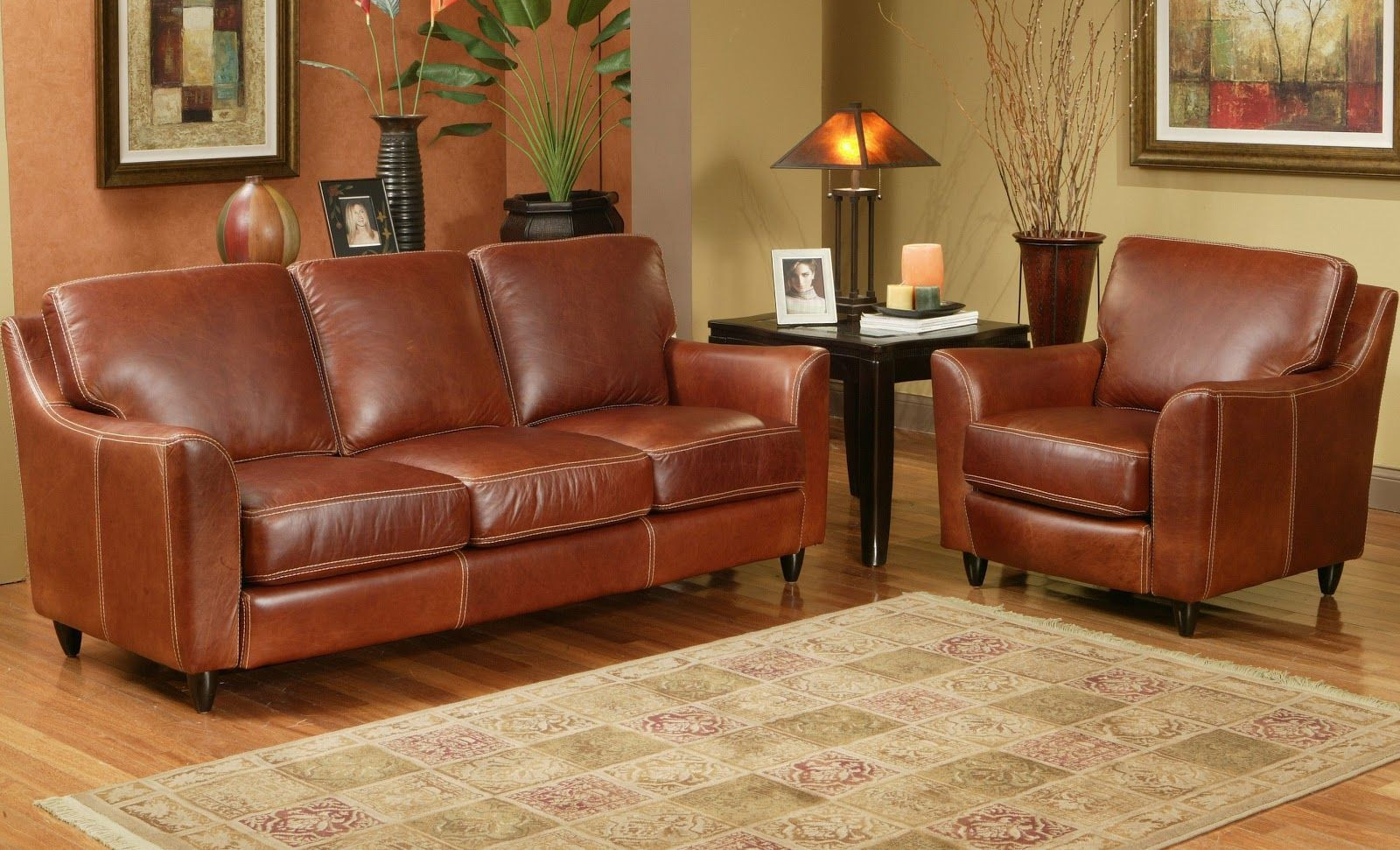
Understanding Your Leather Type
Before you start cleaning, it's crucial to know what type of leather you're working with. Not all leather is created equal, and using the wrong products can cause permanent damage.
Aniline vs Semi-Aniline vs Pigmented Leather
Aniline leather is the most natural-looking option, dyed with soluble dyes that don't cover the surface. It's soft and luxurious, making it a popular choice for premium leather sofas, but it's also the most vulnerable to stains and fading. Semi-aniline leather has a light protective coating, offering a balance between natural beauty and durability. Pigmented leather features a polymer surface coating, making it the toughest and easiest to maintain—an excellent option for leather sofas in busy households.
How to Identify What Type of Leather Sofa You Have
Here's a simple test: place a drop of water on an inconspicuous area. If it absorbs quickly and darkens the leather, you likely have aniline leather. If it beads up and sits on the surface, you're dealing with pigmented leather. Semi-aniline falls somewhere in between.
Why Leather Type Matters for Cleaning and Maintenance
Your leather type determines which cleaning products and techniques you can safely use. Aniline leather requires gentler care and specialist products, while pigmented leather can handle more robust cleaning. Using harsh chemicals on delicate aniline leather could strip its natural oils and cause irreversible damage.
Essential Daily and Weekly Leather Sofa Care
Consistent maintenance is the key to long-lasting leather furniture. A little effort regularly goes a long way.
How Often Should You Clean a Leather Sofa?
For daily care, a quick wipe-down with a dry microfibre cloth removes dust and prevents buildup. Weekly, give your sofa a more thorough clean with a slightly damp cloth. Deep cleaning should happen every three to six months, depending on usage.
Quick Dusting and Vacuuming Techniques
Use the soft brush attachment on your vacuum to clean between cushions and in crevices where crumbs and debris accumulate. Always work gently – aggressive vacuuming can scratch the leather surface. Pay special attention to seams and folds where dust tends to gather.
Preventing Everyday Wear and Tear
Simple habits make a massive difference. Rotate your cushions regularly to distribute wear evenly. Keep sharp objects like keys and belt buckles away from the leather. Consider using throws on high-traffic areas, and encourage family members to sit properly rather than perching on armrests.
How to Clean a Leather Sofa Properly
Regular cleaning keeps your leather looking fresh and prevents dirt from becoming embedded in the surface.
What Is the Best Thing to Clean a Leather Sofa With?
A pH-balanced leather cleaner is your safest bet. These products are specifically formulated to clean without stripping natural oils. For light cleaning, a solution of mild soap and distilled water works well. Always test any product on a hidden area first.
Step-by-Step Deep Cleaning Guide
Start by vacuuming to remove loose debris. Apply your chosen cleaner to a soft cloth – never directly onto the leather. Work in small sections using gentle circular motions. Wipe away residue with a clean, damp cloth, then dry with a microfibre towel. Allow the sofa to air dry completely before conditioning.
DIY Leather Cleaning Solutions vs Commercial Products
A mixture of equal parts water and white vinegar makes an effective DIY cleaner for light soiling. However, commercial leather cleaners often contain conditioning agents that help maintain suppleness. For expensive or delicate leather, professional-grade products are worth the investment.
Products You Should Never Use on Leather
Avoid baby wipes, household cleaners, bleach, and furniture polish. These can contain chemicals that dry out or discolour leather. Steer clear of abrasive materials like scrubbing brushes or rough cloths that can scratch the surface.
Conditioning Your Leather Sofa
Think of leather conditioner as moisturiser for your furniture. It replaces natural oils lost through everyday use and environmental factors.
How Often Should You Condition a Leather Couch?
Most leather sofas benefit from conditioning every six to twelve months. However, if your furniture sits in a sunny spot or you live in a dry climate, you might need to condition more frequently. The leather will tell you when it needs attention – it starts looking dull or feeling dry.
Choosing the Right Leather Conditioner
Look for water-based conditioners that absorb easily without leaving a greasy residue. Avoid products containing silicone or wax, which can clog leather pores and cause buildup over time. Match the conditioner to your leather type for best results.
Application Tips for Best Results
Apply conditioner sparingly using a soft, lint-free cloth. Work in small sections, using circular motions to ensure even coverage. Let the conditioner absorb for the time specified on the product, then buff gently with a clean cloth. Less is more – over-conditioning can leave leather feeling sticky.
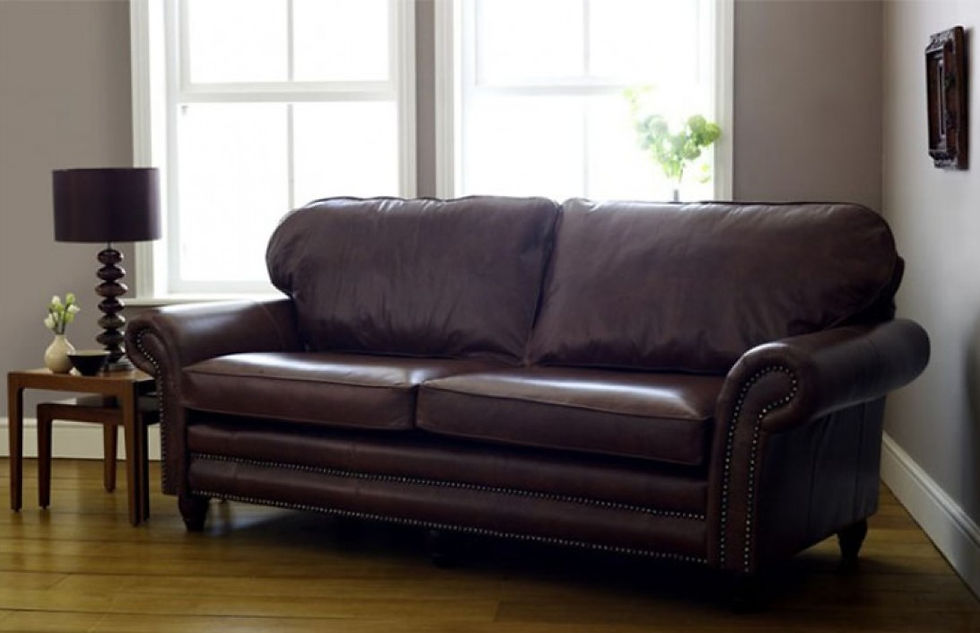
Dealing with Common Leather Sofa Problems
Even well-maintained leather can encounter issues. Knowing how to address problems quickly prevents permanent damage.
How Do You Remove Stains from a Leather Sofa?
Act fast – the quicker you tackle a stain, the easier it is to remove. Blot (never rub) the affected area with a clean cloth to absorb as much as possible. For stubborn marks, use a leather-specific stain remover following the product instructions carefully.
Tackling Ink, Wine, and Grease Marks
Ink stains respond well to rubbing alcohol applied with a cotton swab – dab gently without spreading the stain. For wine, blot immediately and clean with a mild soap solution. Grease marks often lift with a sprinkle of bicarbonate of soda left overnight, then gently brushed away.
How to Fix Scratches and Scuffs on Leather
Minor scratches can often be buffed out using your fingertip – the natural oils in your skin help blend the scratch into surrounding leather. For deeper marks, leather repair kits containing coloured balms can work wonders. Always test colour-matching products in an inconspicuous area first.
Addressing Cracking and Peeling Leather
Cracking indicates severely dried-out leather that needs intensive conditioning. Leather repair creams can fill minor cracks, while professional restoration may be necessary for extensive damage. Prevention through regular conditioning is always better than cure.
Simple Habits for a Beautiful Leather Sofa
Taking care of your leather sofa doesn't have to be complicated or time-consuming. The most important takeaway is consistency – small, regular actions prevent big problems down the track.
Make leather care part of your routine. A quick weekly dust, monthly wipe-down, and bi-annual conditioning session will keep your leather sofas looking magnificent for decades. Address spills and stains immediately, protect your furniture from environmental damage, and don't hesitate to call professionals when needed.
Your leather sofa is more than just furniture – it's an investment in your home's comfort and style. By following these straightforward tips, you're not just maintaining a piece of furniture; you're preserving something that will continue bringing warmth and character to your living space for years to come. So grab that microfibre cloth, show your sofa some love, and enjoy the lasting beauty of well-cared-for leather.


Comments