


.png)
Chemical Peel: Benefits, Types and Skin Care Tips

Ever wondered what it takes to achieve that fresh, radiant complexion you've been dreaming about? Have you noticed fine lines creeping in, or perhaps stubborn acne scars that just won't budge? What if there was a treatment that could tackle multiple skin concerns in one go?
A chemical peel might just be the answer you're looking for. This popular skincare treatment has been around for decades, helping countless people across Australia achieve smoother, clearer, and more youthful-looking skin. Whether you're dealing with sun damage from our harsh Australian climate, uneven skin tone, or the early signs of ageing, a skin peel could transform your complexion.
In this guide, we'll explore everything you need to know about chemical peels. From understanding how they work to discovering which type suits your skin best, we've got you covered. We'll also look at the connection between chemical peels and skin cancer prevention, aftercare tips, and what to expect during treatment. Plus, if you're searching for quality skin peels in Melbourne or elsewhere in Australia, we'll share what to look for in a provider.
What is a Chemical Peel and How Does It Work?
A chemical peel is a skin-resurfacing treatment that uses specially formulated acid solutions to remove damaged outer layers of skin. Think of it as a deep exfoliation that goes beyond what your regular scrub can achieve. The result? Fresh, new skin that's smoother and more evenly toned.
So how does the peeling process actually work on your skin? When the acid solution is applied, it creates a controlled injury to specific layers of skin. This triggers your body's natural healing response, stimulating collagen production and encouraging new cell growth. As the treated skin peels away over the following days, healthier skin emerges underneath.
The depth of the peel determines how dramatic the results will be. Superficial peels target only the outermost layer, while deeper peels penetrate further for more significant transformation. Your skincare professional will recommend the right strength based on your concerns and skin type.

Benefits of Chemical Peels
Skin Rejuvenation and Anti-Ageing Effects
One of the most sought-after benefits of a chemical peel facial is its ability to turn back the clock. By removing dead skin cells and stimulating collagen production, peels can reduce the appearance of fine lines and wrinkles. Your skin looks plumper, more elastic, and genuinely refreshed.
Treating Acne Scars and Hyperpigmentation
Struggling with post-acne marks or dark spots? Chemical peels are brilliant for addressing hyperpigmentation. They work by accelerating cell turnover, gradually fading discolouration and evening out your skin tone. Many Australians find this particularly helpful for sun-related pigmentation issues.
Improving Skin Texture and Tone
Beyond targeting specific concerns, a skin peel face treatment simply makes your skin feel better. Rough patches become smooth, dull complexions gain radiance, and pores appear smaller. It's like hitting the refresh button on your entire face.
Can Chemical Peels Help with Skin Cancer Prevention?
There's growing interest in chemical peels for skin cancer prevention, particularly in Australia where skin cancer rates are among the highest globally. While peels aren't a cure, certain treatments can remove precancerous lesions called actinic keratoses before they develop into something more serious. Always consult a dermatologist if you have concerns about suspicious skin changes.
Chemical Peel for Birthmark Reduction
Some people explore chemical peels for birthmark reduction. While results vary depending on the birthmark type and depth, certain peels can help lighten superficial pigmented marks over multiple treatments.

Types of Chemical Peels
Superficial Peels
Superficial peels are the gentlest option, perfect for peel skin concerns like mild discolouration, dryness, or simply maintaining healthy skin. A lactic acid chemical peel is particularly popular in this category.
What makes a lactic peel special? Derived from milk, lactic acid is naturally occurring and incredibly gentle. The benefits of a lactic face peel include improved hydration alongside exfoliation, making it ideal for sensitive or dry skin types. A lactic facial peel is best suited for beginners or those wanting a subtle glow without significant downtime.
Medium-Depth Peels
When superficial peels aren't quite cutting it, medium-depth options step up. Glycolic and TCA (trichloroacetic acid) peels penetrate deeper, addressing moderate wrinkles, acne scarring, and more stubborn pigmentation.
Who should consider medium peels? Anyone with more pronounced skin concerns who's comfortable with several days of visible peeling. These treatments deliver more noticeable results but require more recovery time.
Deep Peels
Phenol peels represent the most intensive option. They're used for significant skin damage, deep wrinkles, and severe scarring. These require careful administration by experienced professionals and involve considerable downtime.
Interestingly, Chemical Peel Preston for basal cell carcinoma and precancerous lesions fall into this category. A skin cancer face peel can effectively treat superficial basal cell carcinoma in certain cases, though this should only be performed by qualified medical professionals.
Chemical Peels and Skin Cancer: What You Need to Know
Given Australia's relationship with skin cancer, it's worth exploring how chemical peels and skin cancer intersect. Are chemical peels effective for skin cancer prevention? The short answer is they can play a supportive role.
Chemical peel Australia practitioners often use medium to deep peels to remove precancerous cells before they become problematic. This preventative approach is particularly valuable for people with significant sun damage.
For those diagnosed with superficial basal cell carcinoma, a chemical peel for basal cell carcinoma may be recommended as an alternative to surgery in specific circumstances. The acid destroys abnormal cells while preserving healthy tissue. However, this treatment isn't suitable for all skin cancers and must be carefully assessed by a dermatologist.

What to Expect During a Chemical Peel Treatment
The Consultation Process
Every good treatment starts with a thorough consultation. Your practitioner will assess your skin, discuss your concerns, and recommend the most suitable peel type. Be honest about your skincare routine, any medications you're taking, and your expectations.
What Happens During the Peel?
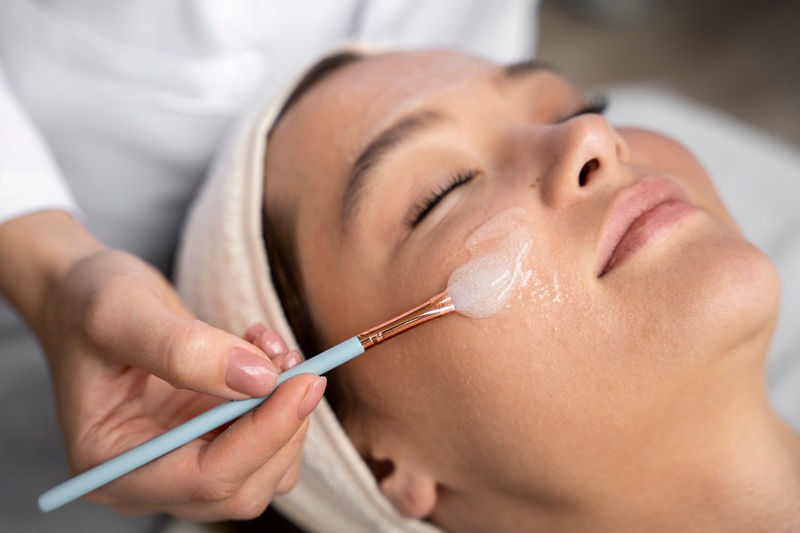
On treatment day, your skin will be cleansed before the chemical solution is applied. You'll feel sensations ranging from mild tingling to more intense warmth, depending on the peel strength. The solution remains on your skin for a specific time before being neutralised or removed.
Is a Chemical Peel Facial Painful?
Most people find superficial peels quite comfortable, describing a slight stinging sensation. Medium and deep peels can be more uncomfortable, but your practitioner may offer cooling fans or topical anaesthetics to manage any discomfort.
Skin Peel Aftercare and Recovery Tips
How Long Does Peeling Last?
Post-treatment peeling varies significantly. Superficial peels might cause light flaking for a few days, while deep peels can involve more dramatic shedding for up to two weeks. Patience is key—don't pick at peeling skin!
Essential Skincare Tips Post-Treatment
Keep your skin hydrated with gentle, fragrance-free moisturisers. Apply SPF 50+ sunscreen religiously, as your new skin is particularly vulnerable to UV damage. Stick to lukewarm water when cleansing and avoid active ingredients like retinol until fully healed.
What Should You Avoid After a Skin Peel?
Skip the gym for a few days—sweat can irritate healing skin. Avoid direct sun exposure, swimming pools, and makeup for at least 24-48 hours. Don't use any skin peel mask or exfoliating products until your practitioner gives the all-clear.
Who is a Good Candidate for a Chemical Peel?
Chemical peels suit most skin types and concerns, from ageing and acne to dullness and discolouration. However, those with active skin infections, certain inflammatory conditions, or who are pregnant should avoid treatment.
People with darker skin tones should consult experienced practitioners, as some peels carry a higher risk of post-inflammatory hyperpigmentation. A patch test is always recommended.
Finding Quality Skin Peels in Melbourne and Across Australia
Looking for skin peels Melbourne clinics or a reputable chemical peel Australia provider? Start by checking qualifications and experience. Look for practitioners with proper skincare credentials and positive reviews.
Before booking your skin peel Melbourne appointment, ask about their range of peel options, aftercare support, and what results you can realistically expect. A good provider will never pressure you and will prioritise your skin's health above all.
Wrapping Up Your Chemical Peel Journey
Chemical peels offer a versatile solution for numerous skin concerns, from anti-ageing and acne scars to supporting skin cancer prevention. Understanding the different types—superficial, medium, and deep—helps you make informed decisions about your skincare journey.
The key to successful results lies in choosing the right Chemical Peel for your needs and following proper aftercare. Whether you opt for a gentle lactic acid Chemical Peel or something more intensive, working with qualified professionals ensures safe, effective treatment.
If you've been considering a Chemical Peel, now’s a brilliant time to explore your options. Book a consultation today, ask questions, and take the first step towards healthier, more radiant skin with a professional Chemical Peel treatment. Your future self will thank you for it!


Comments